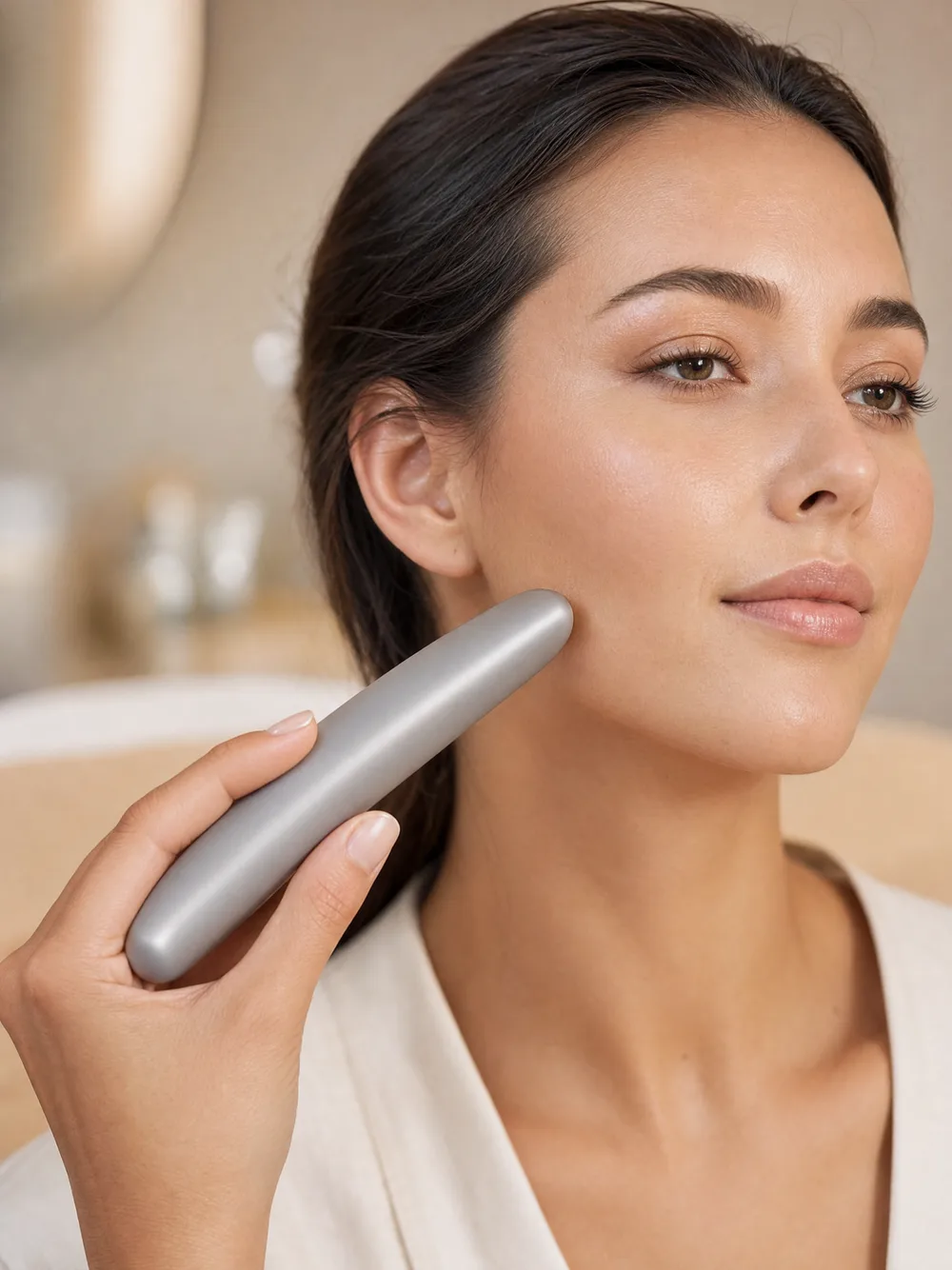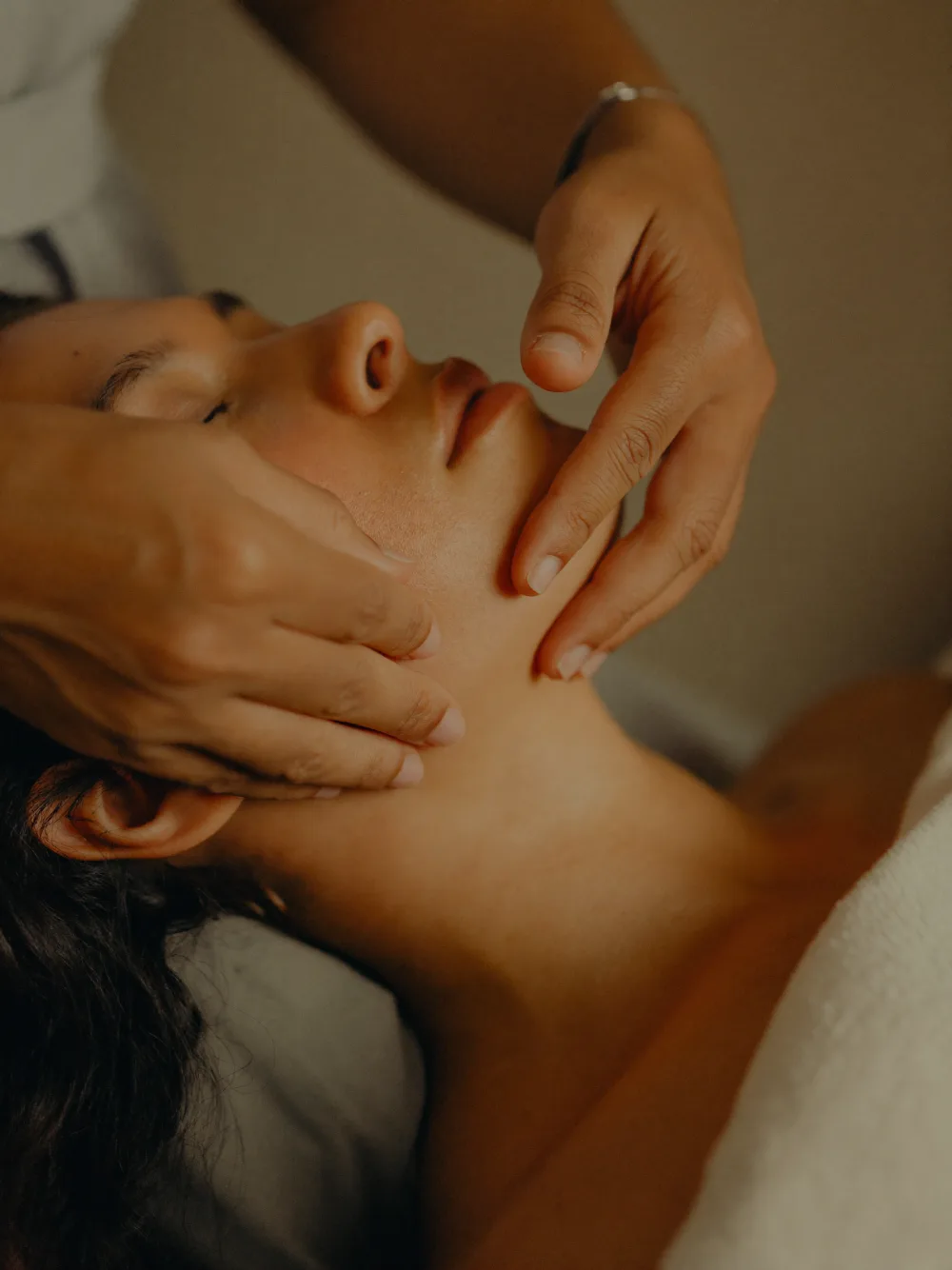
A facial cleanse can be a simple way to reset your skin. At Anaël, it is an appointment for freshness, closer attention, and a more considered routine.
What it is
A hands-on care appointment that gives one specific priority closer attention. It's mainly sought to unclog pores, reduce the feeling of dull or congested skin, and keep up a regular facial care routine alongside other, more specific treatments.
Common goals
It's mainly sought to unclog pores, reduce the feeling of dull or congested skin, and keep up a regular facial care routine alongside other, more specific treatments.
Who it may suit
It makes sense as a first option when the priority is a surface-level cleanse or periodic maintenance, not when the main goal is correcting texture, spots, or firmness — in those cases, a prior assessment may point toward a different treatment in the facial catalogue. It's also a common choice for anyone starting out with in-salon skincare who isn't yet sure which specific facial treatment they need.
Treatment areas
The focus is the face. If you would like to discuss another nearby area, mention it to the team before the appointment.
What a typical appointment looks like
The appointment usually follows a set order: an initial assessment of the skin's condition, cleansing and exfoliation, extraction of impurities wherever needed, and a final application of a calming mask or finishing product suited to the skin type.
What you might feel
Most of the treatment feels like a relaxed facial; the part you'll notice most is usually extraction, with a brief pressure or pinching sensation at the points being treated, and its intensity is adjusted as the session goes on based on how the skin responds.
Preparation
No specific preparation is required beforehand. It helps to arrive with little or no makeup, and to mention in advance any allergy, irritation, or active skin sensitivity so the team can factor it into the session.
Aftercare
In the following hours it's best to avoid heavy makeup and direct sun exposure; the next day, resume sun protection as part of your regular routine.
Some localized redness is common, especially where extraction took place; it usually fades within a few hours without needing any extra care.
A treatment adapted to you
Facial Cleansing is not presented as a one-size-fits-all formula. The appointment starts with a clear conversation about your priority and the kind of care you are looking for.
If you are deciding between Facial Cleansing and another option, the Anaël team can help you compare them before you book.
Alternatives at Anaël
If the main goal is a surface-level cleanse, a facial cleanse usually makes more sense as a starting point than going straight to microneedling or HydraFacial. If the main concern is skin texture, a prior assessment can focus on whether Dermapen/microneedling is worth considering; if what you're after is adding hydration to a deep cleanse, HydraFacial may fit better. Carbon peel is usually framed around a similar goal of luminosity and maintenance, rather than as a corrective treatment for one specific concern.
Common reasons to consult
Usually chosen for dull skin, visibly congested pores, or simply as periodic facial maintenance, whether or not it's later combined with other, more specific treatments.